
Topic 1: Exam Pool A
A high-performing team member’s performance has been consistently increasing over the
past year, leaving other peers behind The project manager has been reluctant to publicly
recognize the team member’s contributions for fear of discouraging others The project
manager is also concerned that the team member may leave if not rewarded for the
contributions made.
What should the project manager do?
A. Promote the higher performing team member to a higher position
B. Request the high-performing team member to mentor the other team members
C. Remind the high-performing team member to focus on shared rewards rather than individual rewards
D. Reward the high-performing team member privately to avoid team disruption
A technical subject matter expert (SME) identifies an occurrence that should be captured in
the project's lessons learned The SME asks the project manager to write, document and
include it in the lessons learned register
What should the project manager do?
A. Assign the documenting task to a project team member
B. Ask the SME to document and capture the occurrence.
C. Request the SME to wait until the project closure phase.
D. Take ownership of documenting this information
The project manager is having difficulty communicating with one of the team members The
team member recently attended a training course and has been training other team
members in a new agile technique However sometimes the team member is forceful in
pushing ideas even if other team members are uncomfortable
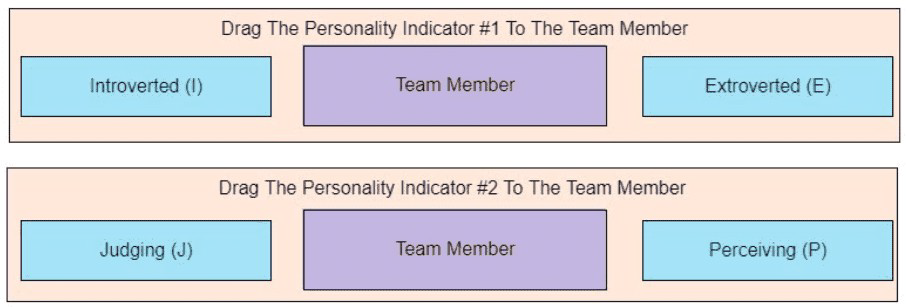
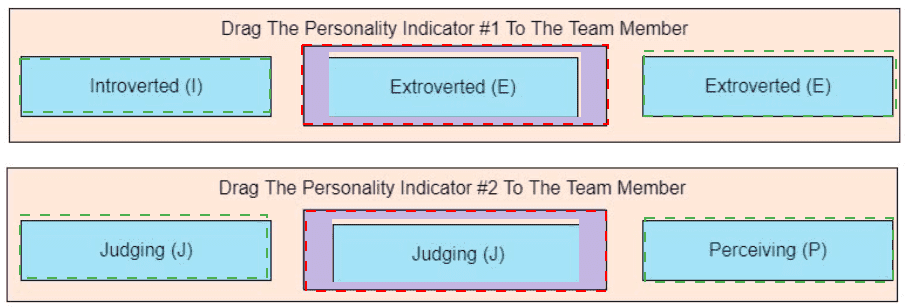
What personality indicators should the project manager consider when determining what
communication style to use with this team member?
A project manager has two projects that are being executed at the same time The duration
of the critical project must be reduced, but the project manager does not have enough
resources to achieve this goal In addition, the schedule does not have activities that can be overlapped
What should the project manager do?
A. Analyze both projects to determine the most effective use of common resources
B. Use resource optimization to justify requesting more resources for the critical project
C. Provide schedule optimization training to the project teams to improve their skills.
D. Apply fast-tracking techniques to compress the schedule of the critical project
A project manager accepts a delivery at the project site but the items are of a poor quality
The project manager gets the local vendor to fix the items but more deliveries from this
vendor are expected
What should the project manager do going forward?
A. Allocate extra time to inspect deliveries for quality assurance upon arrival at the site
B. Review the contract requirements and ask for the applicable evidence for quality assurance
C. Have the vendor issue the quality documentation prior to the next delivery.
D. Call the vendor and have them verbally guarantee the quality of the next site delivery
From previous lessons learned working with a client, a project manager notes that the client's turn-around times on documents sent for approval were very slow and well outside of the agreed timelines At the initial kick-off meeting with the same client, how should the project manager approach this issue for the new project?
A. Inform the client that extra resources will be added to give the client more time for reviews.
B. Update the project risk register with the potential for delays
C. Work with the client on an acceptable amount of time for document approval
D. Inform the client of their responsibility in relation to document approval
A project manager has been managing a project for several months when an issue that had
not been registered as a risk appeared. This issue may have a big impact on the project.
What should the project manager do?
A. Delay the project until the issue is addressed and no longer presents as a risk to the project.
B. Inform the sponsor that the issue has arisen and that the project's success may be uncertain
C. Avoid managing the issue as it was not registered as a risk for the project and there is no planned response to it.
D. Hold a meeting with the project team and relevant stakeholders to agree on the best way to manage the issue
A project manager is approaching the end of a project, and several tasks are now practically complete and ready for handover to the client How should the project manager proceed?
A. Update the quality management plan for the overall project
B. Ask the client to verify and accept the tasks that have been completed
C. Close out the project tasks that have been completed
D. Update the communications management plan for the overall project
A newly formed team has become accustomed to agile practices The project lead has
noticed that while they are performing according to expectations, there is boredom with
daily team practices among many of the team members.
What should the project lead do in this situation?
A. Challenge the team to find new ways to achieve higher levels of performance to improve the situation.
B. Speak with individual team members to determine what they would like to do to improve the situation in the team
C. Have the team inform senior management of the situation and ask for recommendations.
D. Allow the team to self-organize and have them analyze the situation in their retrospective session and self correct
A project manager is leading a project with several stakeholders in other functional areas of
the company One of these stakeholders has just been promoted to lead another functional
area, and remains a stakeholder for this project
What should the project manager have the project team update to ensure proper
communications to stakeholders?
A. Project management plan
B. Stakeholder engagement plan
C. Stakeholder register
D. Communications management plan
A project manager invites the company CEO, sponsor, team members, and an external client representative to a meeting to review the project management plan. The project manager starts to present the budget but the CEO suddenly asks to end the meeting What should the project manager have done to avoid this situation?
A. Reviewed the communications management plan before inviting an external client representative to the meeting
B. Reviewed the cost management plan with internal participants and CEO prior to inviting an external client representative to the meeting
C. Performed a root cause analysis with the external client representative and documented the findings in the lessons learned register
D. Sent the presentation slides to internal participants first and then to the external client representative prior to the meeting
A software project using an agile approach is facing quality issues with every release, generating many production problems. What should the project manager do to fix the problem and improve the quality?
A. Seek extra funding approval with the sponsor to replace junior team members for more experienced ones
B. Create a reward system granting incentives to the team members who are able to catch more defects
C. Hire an external company to add an additional layer of testing, making sure that the final product is well inspected before releasing.
D. Use the retrospective meeting to better understand the root cause of the quality problems and put together a plan with the team to address the problems
| Page 17 out of 178 Pages |
| 123456789101112131415161718192021222324252627282930313233343536373839404142434445464748495051525354 |
| PMP Practice Test Home |
Real-World Scenario Mastery: Our PMP practice exam don't just test definitions. They present you with the same complex, scenario-based problems you'll encounter on the actual exam.
Strategic Weakness Identification: Each practice session reveals exactly where you stand. Discover which domains need more attention, before Project Management Professional (2023 Version) exam day arrives.
Confidence Through Familiarity: There's no substitute for knowing what to expect. When you've worked through our comprehensive PMP practice exam questions pool covering all topics, the real exam feels like just another practice session.
Copyright © All Rights Reserved