
A 38-year-old marathon runner presents to your office with a 6-month history of increasing right hip pain. The pain is worse with acclivity and has prevented him from running for the last 4 months. He denies fever or chills. His wife adds that she is concerned because he is increasingly disengaged with the family and not interested in other activities he usually enjoys, including sex. Which one of the following is the best next step in management?
A. Magnetic resonance imaging of the pelvis and right hip.
B. Blood work including inflammatory markers.
C. Physiotherapy for hip strengthening.
D. Further inquiry into depressive symptoms.
E. Short course of anti-inflammatory medications.
A 32-year-old woman, gravida 0, comes to your office for contraception counselling, specifically about insertion of a levonorgestrel-releasing intrauterine device. She has a past history of breast cancer and is presently on tamoxifen. Which one of the following is the best advice for your patient?
A. She has a high risk of irregular bleeding following insertion
B. After consultation with her oncologist, she may choose this option
C. It may increase her risk of breast cancer recurrence
D. She will require pre-procedure antibiotics
E. This device will increase her risk of future infertility
A 39-year-old man presents to a psychiatrist. He says, "It often seems to me that I am not part of this world. My voice sounds strange to me, and other people seem like figures in a dream." He has had these feelings intermittently for about 2 years. There is no history of hallucinations, and there are no current indications of disorganized thinking. Which one of the following is the most likely diagnosis?
A. Schizophrenia.
B. Conversion disorder.
C. Depersonalization/derealization disorder.
D. Persistent depressive disorder.
E. Delusional disorder.
A 19-year-old woman presents to the office. She is a new mother. She shares that she does not intend to vaccinate her son. Which one of the following is the best next step?
A. Explore with the patient her rationale for not vaccinating her child.
B. Provide education on the risks and benefits of vaccination.
C. Contact child protection services.
D. Tell the patient you cannot follow her in your practice but will refer her to a colleague.
E. Ask to speak with the patient's parents.
A 62-year-old woman is referred to your clinic for evaluation of hypercalcemia. She has a
history of hypertension and vitamin D deficiency. Her medications include
hydrochlorothiazide and vitamin D supplements. Laboratory investigations are as follows:
Calcium: 2.72 mmol/L ()
Phosphate: 0.9 mmol/L ()
Parathyroid hormone (PTH): 0.9 pmol/L ()
25-hydroxy vitamin D: 80 nmol/L (normal)
Which one of the following is the best next step?
A. Order 24-hour urine calcium
B. Start calcitriol
C. Refer for consideration of parathyroidectomy
D. Switch to a different antihypertensive medication
E. Order serum protein electrophoresis and urine for light chains
A 29-year-old woman, gravida 1, para 0, aborta 0, presents to your clinic. Her pregnancy is at 22 weeks’ gestation. Her blood pressure is 158/96 mm Hg. Which one of the following antihypertensive medications is contraindicated for this patient?
A. Ramipril
B. Methyldopa
C. Labetalol
D. Nifedipine
E. Hydralazine
A 14-year-old girl is brought to the Emergency Department with a 20-minute history of
difficulty breathing that started during a school assembly. She has had similar symptoms 3
times in the last 2 weeks. These episodes develop rapidly and resolve gradually over
several minutes. She reports tingling in her fingers and toes. On examination, her vital
signs are as follows:
Blood pressure
120/80 mm Hg
Heart rate
100/min
Respiratory rate
22/min
Oxygen saturation on room air
95%
Temperature
36.9 °C, orally
Apart from mildly dilated pupils, her examination is otherwise normal. Which one of the
following is the most likely diagnosis?
A. Asthma
B. Pericarditis
C. Panic attack
D. Cocaine use
E. Paroxysmal supraventricular tachycardia
A 22-year-old woman, gravida 1, para 0, aborta 0, comes to the office at 10 weeks' gestation for her first prenatal visit. When you ask how she is doing, she becomes tearful and says she has had severe nausea and vomiting. She is not taking her prenatal vitamins regularly and feels very guilty about it. She is worried that she is harming the fetus. Which one of the following is the most appropriate management of this patient's case?
A. Advise her to replace her vitamin with folic acid only until her nausea improves
B. Refer her for counselling to manage her feelings of guilt
C. Tell her she should continue to take her prenatal vitamins daily regardless of nausea
D. Suggest that she take cannabinoids 30 minutes before taking her prenatal vitamins
E. Prescribe ginger tablets to be taken 4 times daily
On screening for dyslipidemia, a 45-year-old man is found to have a low high-density lipoprotein (HDL) cholesterol level. Which one of the following recommendations is the most appropriate?
A. Vigorous exercise program.
B. Low-salt diet.
C. Alcohol cessation.
D. Garlic supplementation.
E. Elimination of caffeine.
A 15-year-old boy is brought to your office because of concerns about his breast
development. He has no other symptoms. His physical examination does not reveal any
other abnormality. Which one of the following is the best next step?
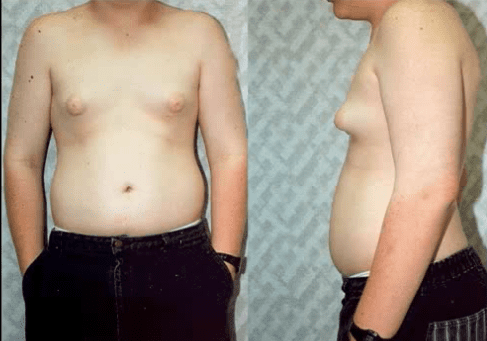
A. Order cranial magnetic resonance imaging
B. Perform serum estrogen level
C. Perform serum prolactin level
D. Reassure the patient
E. Order adrenal ultrasound
A mother brings her 10-year-old son for his well-child check-up. She mentions that her 38- year-old husband has just had a heart attack due to high cholesterol levels and wants information regarding prevention of cardiovascular disease for her son. Which one of the following is the best approach to managing this problem?
A. Send the son for a lipid profile test
B. Prescribe a low-fat diet for the son
C. Reassure the mother as children do not have elevated lipid levels
D. Prescribe a weight-lifting exercise program for her son
E. Request a serum homocysteine and hemoglobin A1c
In a research study, it is found that people who smoke tobacco cigarettes drink more coffee and have higher rates of lung cancer than people who do not smoke. However, the consumption of coffee alone is not associated with lung cancer. Which one of the following best describes the contribution of drinking coffee in the study?
A. Predictor
B. Risk factor
C. Selection bias
D. Confounder
| Page 6 out of 20 Pages |
| 345678 |
| MCCQE Practice Test Home |
Real-World Scenario Mastery: Our MCCQE practice exam don't just test definitions. They present you with the same complex, scenario-based problems you'll encounter on the actual exam.
Strategic Weakness Identification: Each practice session reveals exactly where you stand. Discover which domains need more attention, before Medical Council of Canada Qualifying Examination Part 1 Exam exam day arrives.
Confidence Through Familiarity: There's no substitute for knowing what to expect. When you've worked through our comprehensive MCCQE practice exam questions pool covering all topics, the real exam feels like just another practice session.
Copyright © All Rights Reserved